
The most effective risk systems are those that actively interpret the signals that indicate how those events are forming long before they occur.
Blog
Why Most Risk Frameworks Fail Because They Start After the Incident, Not Before It

Organizations that rely exclusively on reactive frameworks remain constrained by timing limitations, even with highly advanced reporting systems.
The Invisible Layer of Risk: Operational Behaviors That Insurance Models Don’t Capture
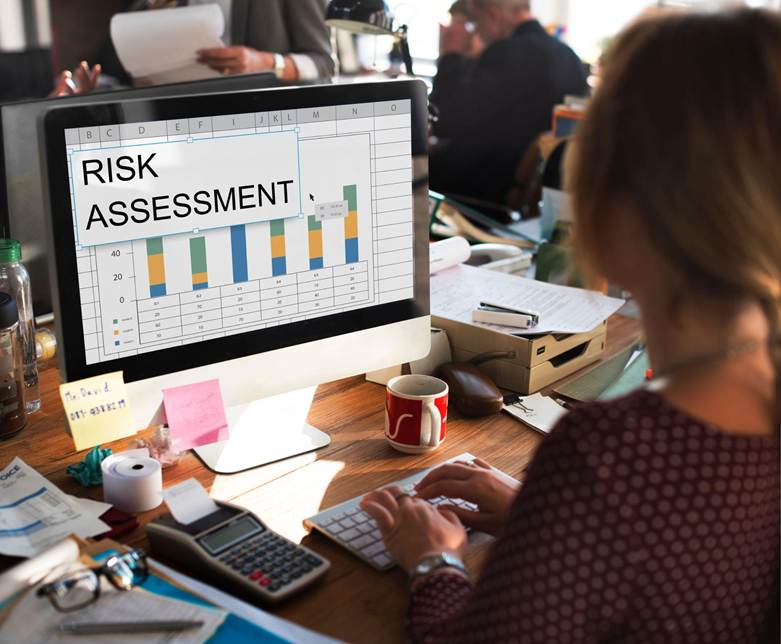
As risk environments continue to grow more complex, understanding this invisible layer becomes increasingly essential.
How Continuous Learning Helps Professionals Navigate Industry Change

Continuous learning helps professionals navigate industry change by supporting adaptability, informed decision-making, and long-term career growth.
Why Business Continuity Planning Matters Beyond Emergency Situations

Organizations increasingly benefit from having structured plans that support both immediate response and ongoing operational success.
What Effective Risk Leaders Do Differently in High-Uncertainty Environments

High-uncertainty environments require a shift from traditional risk management to dynamic leadership.
How Risk Communication Breakdowns Lead to Larger Organizational Failures

Risk communication is not a supporting function; it is a core component of effective risk management.
Bridging Compassion and Compliance in Long-Term Care

In an era where metrics often overshadow meaning, it’s crucial to remember: the heart of long-term care is still human.
Quality Dementia Care Should Not Depend on Financial Background

Dementia does not discriminate. It touches families of every background, every culture, every income level. Yet access to quality dementia care too often does depend on financial circumstance – and that is a reality we can no longer ignore. The Human Cost of Inequity Behind the statistics are real people – mothers, fathers, spouses, friends – who… Continue reading Quality Dementia Care Should Not Depend on Financial Background